
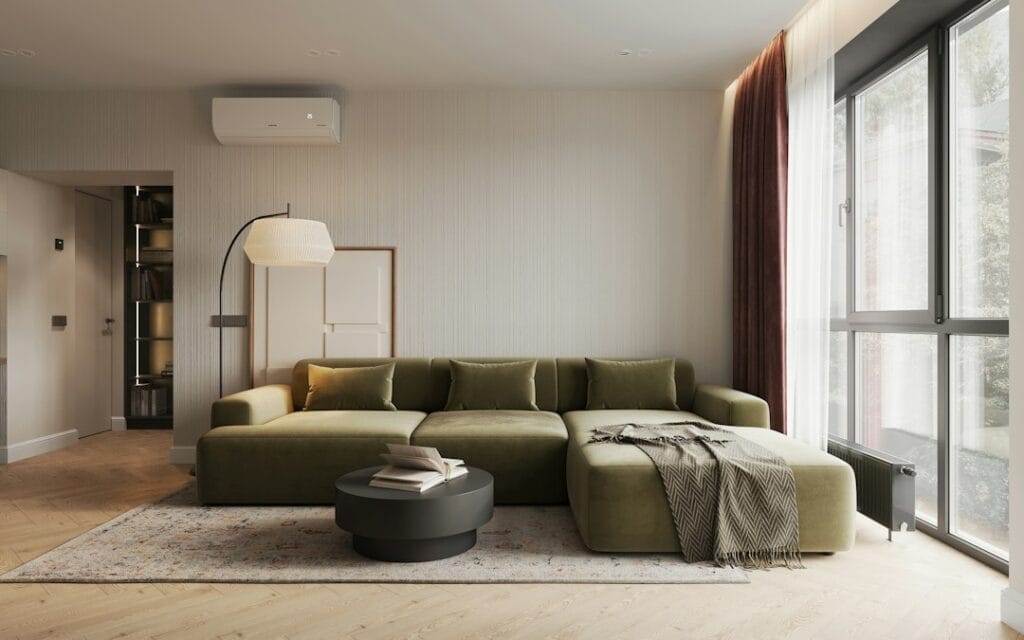
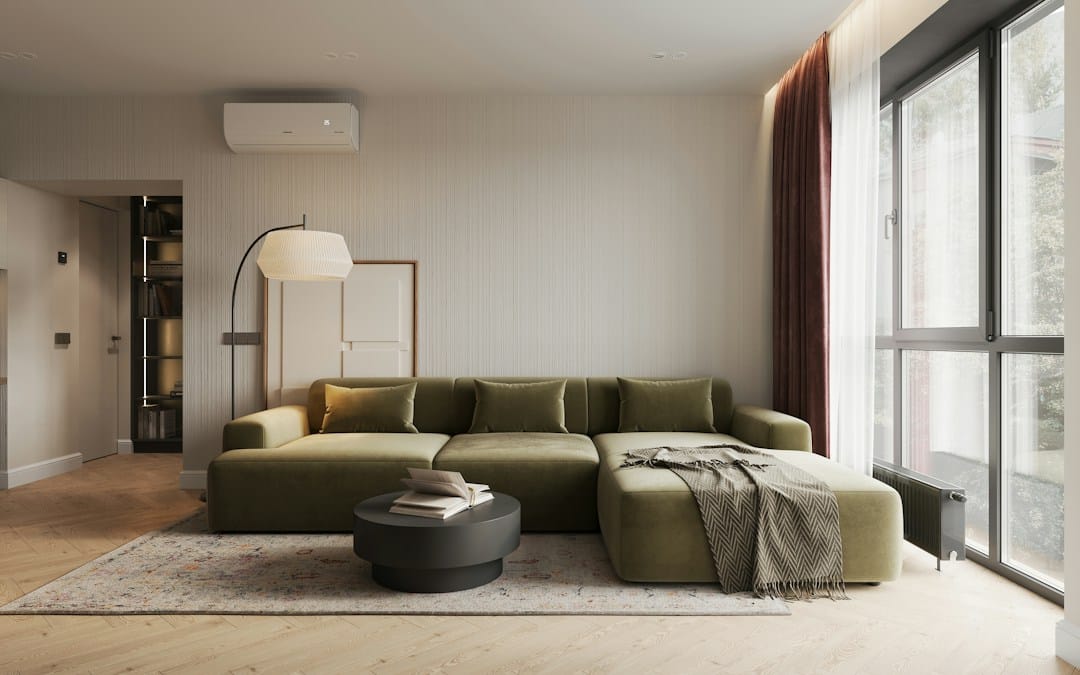
Planning to buy a home in South Delhi? The right purchase is about more than a beautiful living room or a prestigious address. Your budget, the neighbourhood, the building quality, legal paperwork and long-term suitability all deserve equal attention.
TELL US YOUR BUYING REQUIREMENT →
Share your budget, preferred areas and property needs with South Delhi Homes.
1. Set a realistic all-in budget
Begin with the total amount you are comfortable committing—not just the advertised property price. Allow for stamp duty and registration, legal advice, brokerage where applicable, interiors, repairs, moving costs and a contingency for unexpected work. If you are considering a loan, speak to your lender early and understand the likely eligibility, processing timeline and repayment obligations.
Keep a clear distinction between the asking price and your all-in acquisition cost. This makes it easier to compare two homes fairly and helps prevent a property that looks affordable on paper from stretching your finances.
2. Choose the neighbourhood before falling for a home
South Delhi is not one uniform market. Greater Kailash I and II offer established residential surroundings and a range of builder-floor options. Panchsheel Park and Panchsheel Enclave may appeal to buyers prioritising larger homes and a quieter residential setting. Vasant Vihar and Defence Colony attract buyers looking at premium locations, while Green Park, Hauz Khas, Safdarjung Enclave, SDA, C.R. Park and Kalkaji each have their own character, housing stock and price points.
Visit your shortlisted areas at different times of day. Check the route to work, parking, access to shops and healthcare, noise levels, street conditions and the everyday conveniences your family actually uses. A familiar locality that fits your routine may prove more valuable than a fashionable address that does not.
3. Compare like with like
For new builder floors, compare the same plot size, floor level, usable layout, lift access, parking arrangement, outdoor space and construction specification wherever possible. A third-floor home with terrace rights is not directly comparable with a middle floor, and a basement-plus-ground configuration has different practical considerations from a standard floor.
Ask for a clear breakdown of what is included: parking, lift, power backup, fittings, wardrobes, kitchen equipment, terrace access and any common-area responsibilities. Verify the actual usable area and room dimensions rather than relying on photographs or a headline area figure alone.
For an initial market reference, see the South Delhi New Builder Floor Price Guide. Prices are indicative, vary by property and can change; confirm current availability and terms before making a decision.
4. Do the legal and technical checks early
Before paying a substantial token amount, appoint an independent property lawyer to review the title chain, ownership, encumbrances, applicable approvals, sanctioned plans, completion or occupancy documentation where relevant, and the seller’s authority to transact. The documents required can vary with the property and its history, so do not rely on a verbal assurance that everything is “clear.”
For a newly built floor, ask who developed the property and verify the relevant permissions and documents. Clarify whether the sale includes any specific terrace, parking or other rights and ensure those rights are properly documented. Have a qualified professional inspect construction quality, dampness, drainage, electrical systems, plumbing, ventilation and lift operation. Resolve important questions before committing, not after registration.
5. Think beyond the first viewing
Visit more than once if possible. Test the natural light, ventilation, mobile reception, water pressure and noise at different hours. Check storage, kitchen workflow, bedroom privacy and whether the layout works for children, older family members or guests if those needs apply to you.
Ask about maintenance arrangements, water supply, waste collection, security and the practical use of shared spaces. A polished finish can be replaced; an awkward layout, persistent noise or unclear access rights may be much harder to fix.
6. Negotiate with facts, not urgency
Make an offer after comparing relevant alternatives and understanding the property’s strengths and limitations. Ask how long it has been available, what is included in the price and whether the seller has a preferred completion timeline. Keep payment terms, milestones, inclusions and any conditions in writing. Avoid transferring money to an unverified person or proceeding solely because you are told another buyer is about to close.
7. Match the property to your next chapter
Consider how long you expect to stay, whether your household may grow, how much upkeep you want and how easily the home could suit a future buyer. A property that meets your daily needs and has clear documentation is often a stronger choice than one selected only for status or short-term speculation.
Ready to shortlist homes in South Delhi?
You do not need to have every detail finalised before starting. Share your approximate budget, preferred neighbourhoods, required bedrooms, floor preference and buying timeline. A focused brief makes it easier to identify relevant options and compare them on a consistent basis.
VISIT OUR BUYER PAGE & SHARE YOUR REQUIREMENT →
Get in touch with South Delhi Homes to discuss your search.
Disclaimer: This article is for general information only and is not legal, financial or investment advice. Property prices and availability are indicative and may change. Independently verify all documents, costs and property details before proceeding.

